) Wenn ich die 2 Draht auf 3 Draht umbaue, keine Änderung. (IC's sind zwischen 4,5-15 V, bei 0,2 mA-20 mA) Dabei dimmfähige (!) "Glüh"-Lampen (E14/17) die aktuell im Handel sind verwendet. Funktioniert alles tadellos, einzige Voraussetzung hier: mehr als 10 W LED Leistung bei den Lampen. Und die
Forumsbeitrag) - Das sind "3 Draht Dimmer" - Such das orginal Schaltbild, für den Sensor sind 2x 1000pF / 1000 V vorgesehen. - Dieses original "Netzteil" für den IC ist vermutlich aus Platzgründen/Preis kein Kondensator-Netzteil mit 600V Kondensator wie man es eigentlich bei den üblichen Applikationsschaltungen
#8108409: > Wasn das überhaupt fürn Hersteller, nie gehört. Ein Maxtor-Spinoff: > Maxoptix, a spin-off of Maxtor Corp., was a major manufacturer of 130 mm or 5.25-inch magneto-optical drives. A current model is the T7-9100 drive, which has a maximum capacity of 9.1 GB and is downward read and
eine Soundblaster. Nerds brauchten keine Soundkarten. Die hatten ein R/2R-Netzwerk am Parport :-p
[](/attachment/707579/2.png) Bildquelle: https://www.cnx-software.com/2026/10/23/lilygo-t-halow-p4-a-m-2-2280-board-with-esp32-p4-wifi-halow-and-esp32-c6/ Im Bereich der Rechenleistung setzt man auf die bekannte Kombination aus ESP32-P4 und ESP32-C6. Hervorzuheben ist, dass außerdem auch ein Wi-Fi-HaLow-Modul
for documented reasons -- mostly the firmware's own bugs, which are kept rather than fixed. The pSOS and pForth kernels and the other routines that aren't C are kept as the ROM's own instructions, reassembled byte for byte. This is a reading of the firmware, not a replacement: it doesn't build
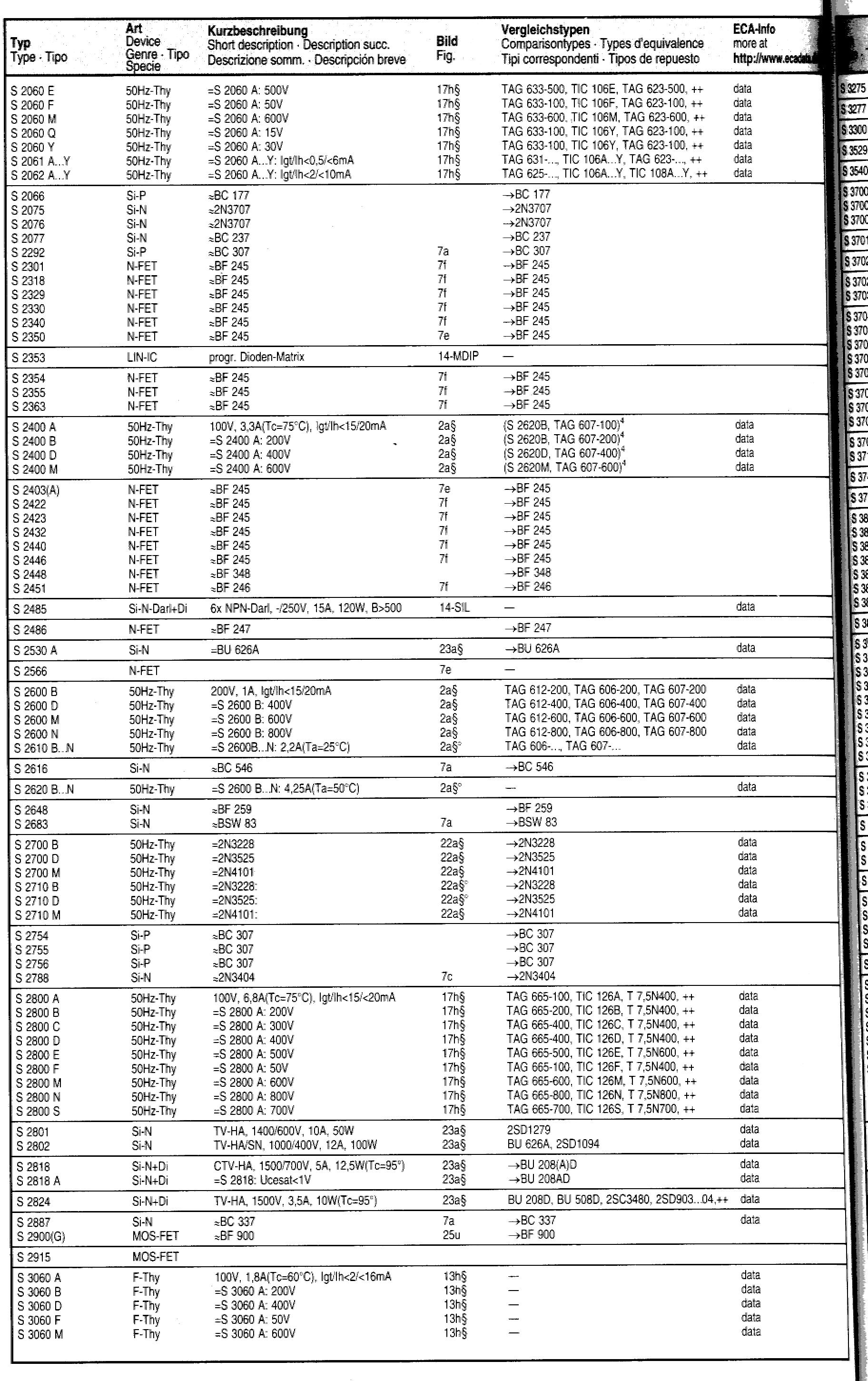
Typ Art Bezeichnung Beschreibung Bild Vergleichtyp Daten
S 2060 E 50Hz S 2060 A: 50V 17hJ TAG 633-106. TEC 633-...
S 2060 F 50Hz S 2060 V: 50V 17hJ TAG 633-100. TEC 633-...
S 2060 M 50Hz S 2060 W: 50V 17hJ TAG 633-600. TEC 633-...
S 2060 Q 50Hz S 2060 Y: 50V 17hJ TAG 633-106Y. TEC
von 70 / 300 = 0.23 mA. Der Mikrocontroller liefert am Ausgang eine Spannung von 5 V. Abzüglich der Schwellspannung von 0.7 V liegen dann am Vorwiderstand 4.3 V. Somit ergibt sich für den Vorwiderstand 4.3 V / 0.23 mA = 18.4

 Bild
 Bild