
Über den Erfolg bzw. Fehlschlag eines Embeddedsystems entscheidet heute auch das Entwicklerökosystem. Microchip schlachtet deshalb die heilige Kuh des XC8, der fortan komplett kostenlos ist. Blues bietet eine Karte für das Iridium-Satellitennetz an, während Mercedes-Benz eine quelloffene Platine für Diagnostik im Automobilbereich lanciert. Was es sonst Neues gibt, verraten wir hier.
Starnote for Iridium – blues-Ökosystem nun mit Iridium-Unterstützung
blues – das Unternehmen könnte auch als HAL für Funkverbindungen bezeichnet werden – bietet fortan eine Notecard mit einem Iridium-fähigen Modem an.
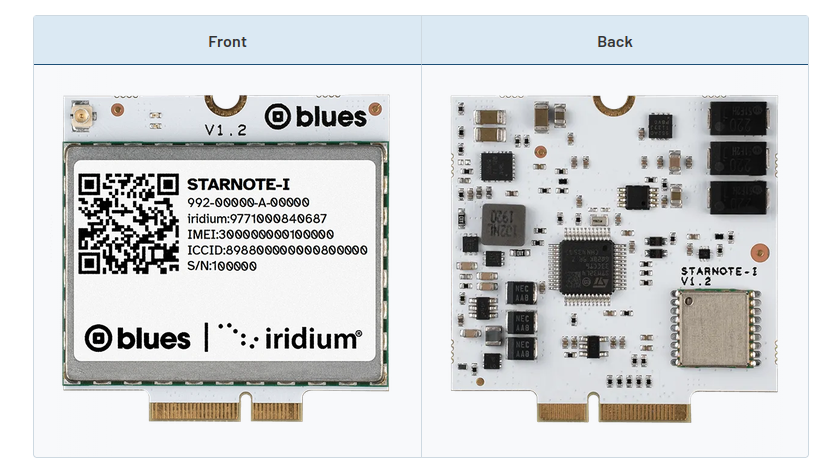
Bildquelle: https://dev.blues.io/blog/pole-to-pole-starnote-for-iridium/
Interessant ist, dass sich unter https://dev.blues.io/blog/pole-to-pole-starnote-for-iridium/ öffentlich einsehbare Preisinformationen finden – der Druck durch Starlink dürfte bei der Iridium-Truppe zu “offeneren” Vorgehensweisen führen:
1 |
|
Mercedes Benz Automotive Rapid DEvelopment Platform – quelloffenes Automobil-Entwicklungsboard mit UDS-Unterstützung
Automobilhersteller begegnen quelloffenen Technologien im Allgemeinen nicht mit offenen Armen – zumindest dann, wenn man von Juan Strickler’s Familienmotto absieht und den Begriff auf die normale Art und Weise parst (wer die “Pop Culture Reference” erkennt, soll ein Kommentar dalassen). Mercedes lanciert mit dem in der Abbildung gezeigten ARDEP nun ein quelloffenes Board auf Basis von Zephyr und einem STM32.
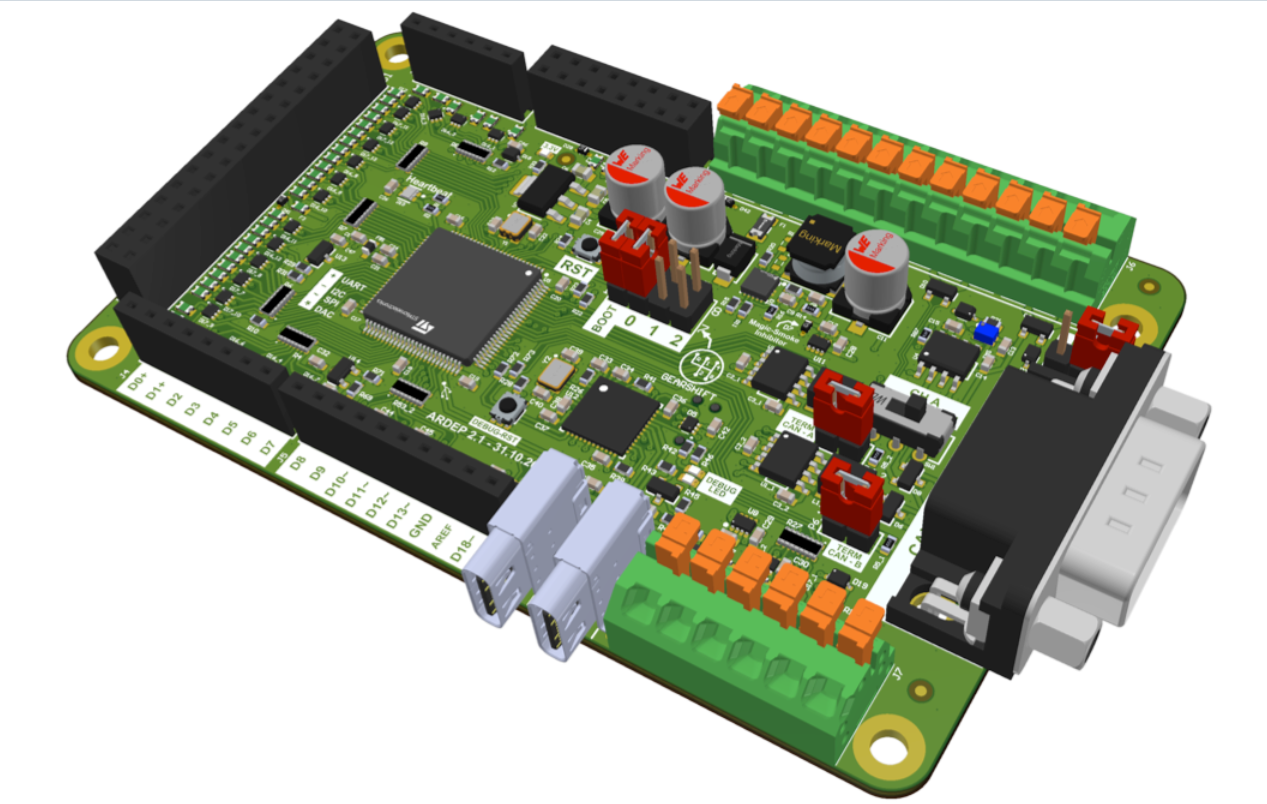
Bildquelle: https://github.com/mercedes-benz/ardep/
In der Projektbeschreibung vermeldet man dann unter Anderem folgendes:
1 |
|
2 |
|
3 |
|
4 |
|
5 |
|
6 |
|
Unter https://mercedes-benz.github.io/ardep/samples/uds/README.html findet sich außerdem ein Codebeispiel, das die Inbetriebnahme der UDS-Funktion illustriert.
PiZZa – zephyrbasierte Runtime für Raspberry Pi Zero
Das PiZZa-Projekt verfolgt seit jeher das Ziel, auf Raspberry Pi Zero-Geräten Zephyr zur Ausführung zu bringen. Nun gibt es eine neue Variante, die den Pi Zero – unter Umgehung des normalerweise verwendeten Linux – in einen Behelfs-Arduino umwandelt.
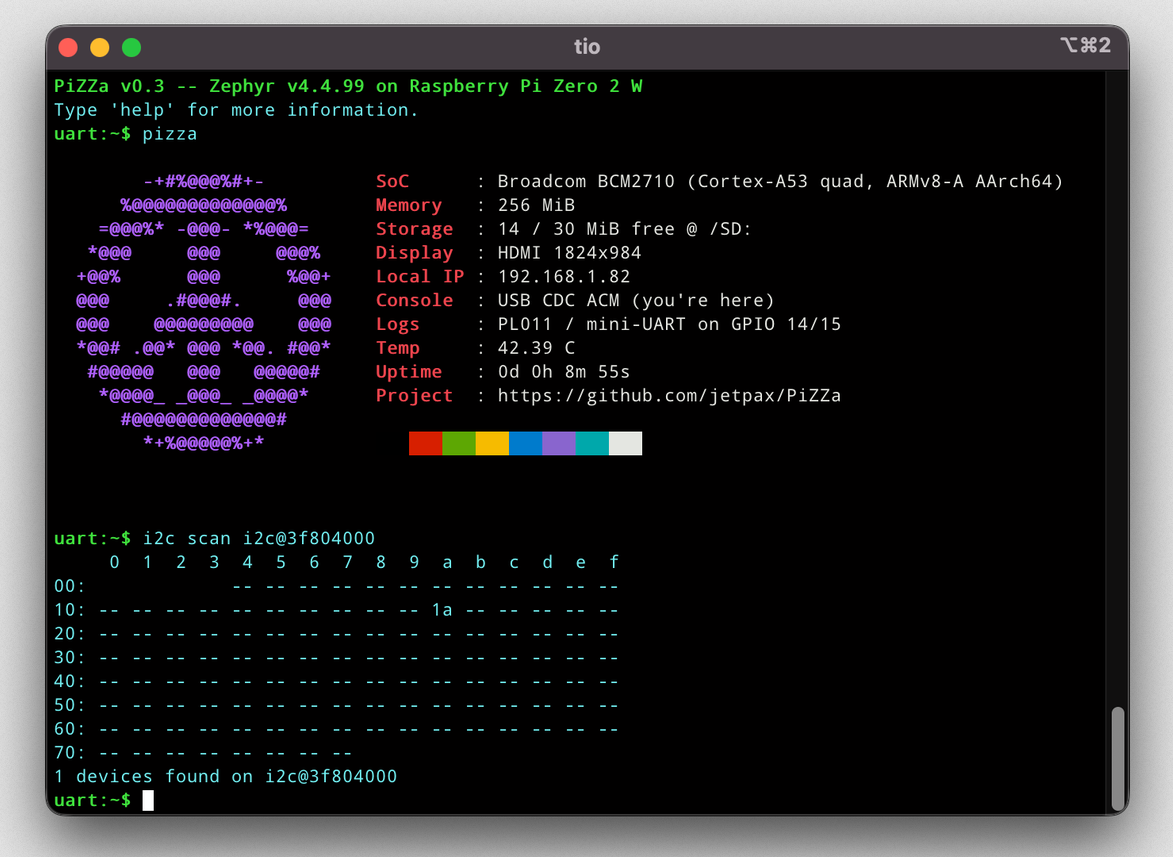
Bildquelle: https://github.com/jetpax/PiZZa
Zum Umfang der unterstützten Hardware vermeldet man unter der URL https://github.com/jetpax/PiZZa/tree/main/os/Arduino Folgendes:
1 |
|
2 |
|
3 |
|
4 |
|
5 |
|
DigiKey: Anhebung der Schwelle für kostenlose Lieferungen
Digikey macht es Mouser gleich, und erhöht die Mindestbestellmenge für kostenlose Lieferungen. Wer fortan kostenlos beliefert werden möchte, muss einen Mindestumsatz von 75 EUR bringen:
1 |
|
Microchip: verschiedene Compiler nun komplett kostenlos
Obwohl Microchip in MPLAB X verschiedenste durchaus leistungsfähige Compiler mitliefert, galt bisher, dass die Nutzung der absoluten Topklasse zahlenden Kunden vorbehalten war. In einer vor wenigen Stunden versendeten Pressemitteilung kündigt man an, fortan anders vorgehen zu wollen.
 Bildquelle: Microchip
Spezifischerweise vermeldete man gestern folgendes:
1 |
|
Interessant ist, dass sich diese Liberalisierung nicht auf die “consumerseitigen” Varianten beschränkt, sondern auch die Functional Safety-Varianten umfasst:
1 |
|
PicoScope – dringendes Softwareupdate für ARM-Hosts
Wer sein PicoScope mit einer aktiven Sonde und einem ARM-Host kombiniert, muss sofort ein Softwareupdate durchführen. Spezifischerweise vermelden die Engländer, dass ein Fehler im Skalierungsalgorithmus dazu führen kann, dass gefährliche Spannungen als sicher erscheinen – manche fühlen sich beim Lesen der Beschreibung an das Solartron SI7063 erinnert:
1 |
|
2 |
|
3 |
|
4 |
|
5 |
|
NanoPower: Update des Entwicklerportals
Am in Skandinavien entwickelten Low Power-Monitorchip interessierte Entwickler können die unter https://dev.nanopowersemi.com/ bereitstehende Webseite besuchen, um mehr über die Arbeit mit dem Chip zu erfahren. Nun wurde das Portal aktualisiert. Spezifischerweise verspricht man folgende Neuerungen:
1 |
|
2 |
|
3 |
|
4 |
|
AMD: Versal Premium Gen 2 Memory on Package mit bis zu 32GB RAM am FPGA
Die Speicherintegration gilt als eine der gefürchtetsten Aufgaben im Bereich des FPGA-Designs – AMD bietet seit einiger Zeit Chipvarianten an, die das RAM direkt mitbringen.
 Bildquelle: https://www.amd.com/en/blogs/2026/amd-packs-more-memory-capacity--performance-in-a-smalle.html
Nun steht hier eine Erweiterung auf 32GB RAM an. Zu den erreichbaren Geschwindigkeiten vermeldet man folgendes:
1 |
|
AMD Vivado 2026.1 mit geänderter Lizenzierungsmethode
Vivado ist Nutzern der diversen AMD-FPGAs mit Sicherheit bekannt. Mit der Auslieferung der neuen Version erfolgt eine Anpassung des Lizenzmodells – neben perpetualen Lizenzen gibt es nun, wie in der Abbildung gezeigt, auch Abonnements.
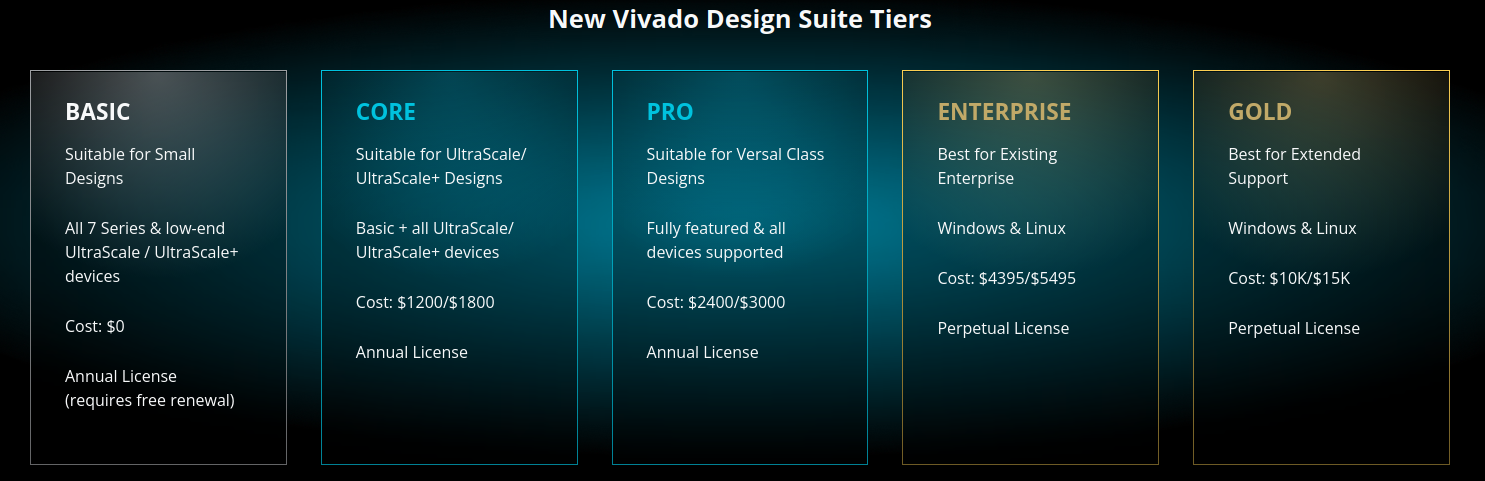 Bildquelle: https://www.amd.com/en/products/software/adaptive-socs-and-fpgas/vivado/vivado-licensing-options.html
Außerdem bringt die neue Version – wie gezeigt – Unterstützung für in den letzten Monaten ausgelieferte SKUs mit:
1 |
|
2 |
|
3 |
|
4 |
|
5 |
|
6 |
|
7 |
|
8 |
|
9 |
|
10 |
|
AMD Vitis 2026.1 verfügbar
AMD Vitis – eine Art IDE für das Design von auf FPGAs laufender Software – erhielt soeben ein Update. Als besonders relevant erachtet man im Hause AMD die folgenden Funktionen:
1 |
|
2 |
|
3 |
|
4 |
|
5 |
|
6 |
|
7 |
|
8 |
|
9 |
|
10 |
|
11 |
|
12 |
|
13 |
|
14 |
|
15 |
|
Weitere Informationen zu den Änderungen finden sich unter der URL https://www.amd.com/en/products/software/adaptive-socs-and-fpgas/vitis/vitis-whats-new.html.
Infineon: weiterer Sieg gegen InnoScience in den USA
Spätestens mit der Entscheidung des chinesischen Gerichts, ein Importverbot für Infineon zu erlassen, wurde der Patentstreit rein politisch. Unter der URL https://www.infineon.com/press-release/2026/ifxpr202607-118 berichtet man nun nach folgendem Schema über eine Entscheidung eines US-Gerichts, die wie erwartet ausfällt:
1 |
|
Weitere interessante Kommentare und ein Rückblick auf die bisherige Entwicklung bietet Ralf Higgelke unter https://www.linkedin.com/pulse/ralfs-gan-sic-news-july-9-2026-ralf-higgelke-ep85e/.
Lesestoff: Predictive Maintenance mit Arduino Uno Q
Spätestens seit der Übernahme durch QualComm haben die Italiener mit Edge Impulse einen AI-Service im Haus. Unter https://blog.arduino.cc/2026/07/02/how-to-achieve-cost-effective-predictive-maintenance-with-the-arduino-uno-q-board/ findet sich ein durchaus interessanter Artikel, der die Realisierung eines Predictive Maintenance-Systems anreisst.
Lesestoff, ad 2 – von den Vorteilen von Dual Channel-RAM
In Zeiten steigender Speicherpreise ist man versucht, zur Kostenreduktion nur ein einzelnes RAM-Modul zu verbauen. Phoronix bietet unter https://www.phoronix.com/review/single-dual-memory-linux Tests an, die den Unterschied zwischen Einkanal- und Zweikanalbetrieb aufbrechen.