Rainer W. schrieb:
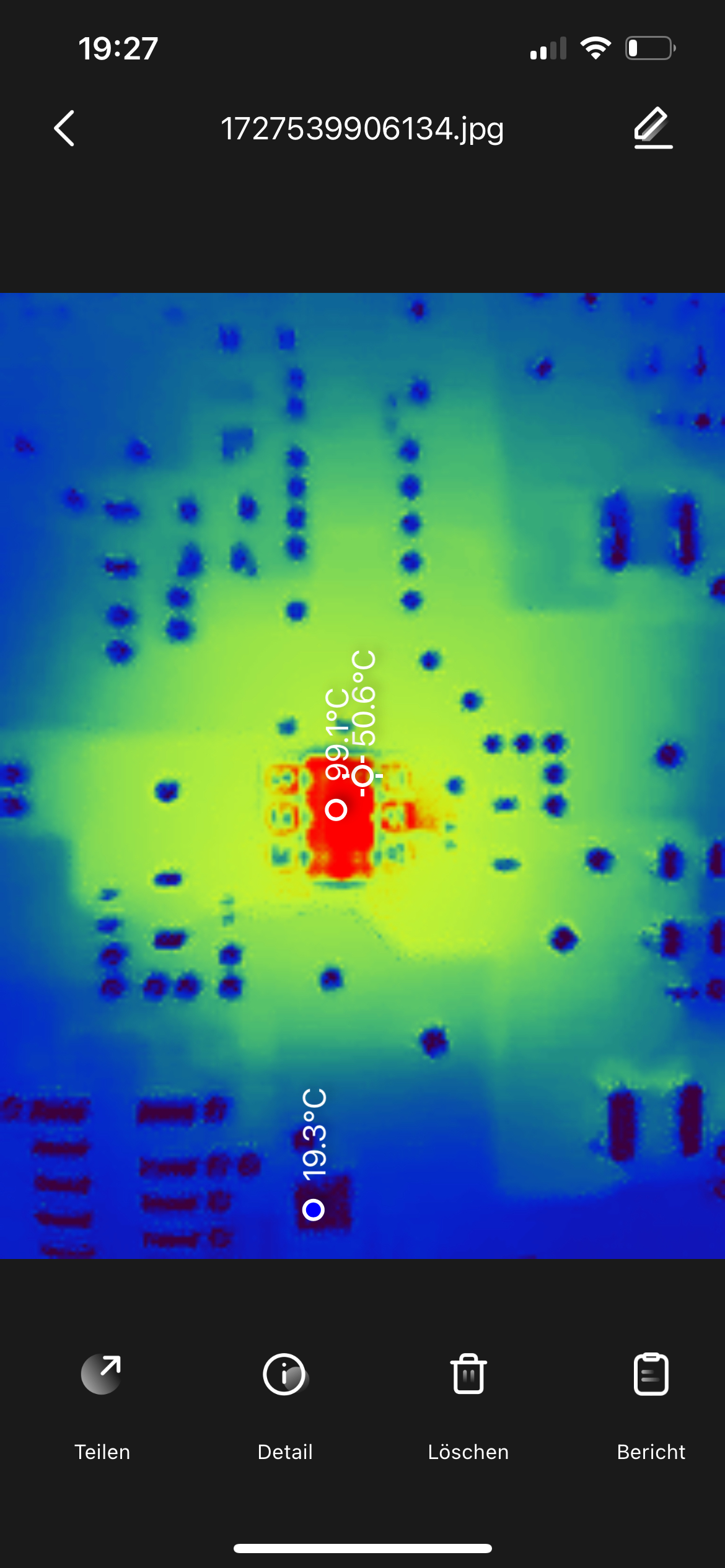
Halbleiter haben ein anderes Verständnis
von "heiß".
Aus dem Datenblatt:
- Thermal Shutdown Circuit (TSD)
If over-current limit would continue, the temperature of the IC would increase drastically. If the junction temperature were
beyond 120°C(Typ) in the condition of over-current detection, thermal shutdown circuit operates and makes power switch
turn off and outputs fault flag (/OC). Then, when the junction temperature decreases lower than 110°C(Typ), power switch
is turned on and fault flag (/OC) is cancelled. Also, regardless of over-current condition, if the junction temperature were
beyond 160°C(Typ), thermal shutdown circuit makes power switch turn off and outputs fault flag (/OC).When junction
temperature decreases lower than 140°C(Typ), power switch is turned on and fault flag (/OC) is cancelled. Unless the
fact of the increasing chips temperature is removed or the output of power switch is turned off, this operation repeats.
Fault flag (/OC) is output without delay time at thermal shutdown.
The thermal shutdown circuit operates when the switch is on (EN signal is active).
- Over-Current Detection (OCD)
The over current detection circuit (OCD) limits current and outputs error flag (/OC) when current flowing in each switch
MOSFET exceeds a specified value. There are three cases when the OCD is activated. The OCD operates when the
switch is on (EN signal is active).
(1). When the switch is turned on while the output is in short-circuit status, the switch gets in current limit status
immediately. (See figure 42.)
(2). When the output short-circuits or when high current load is connected while the switch is on, very large current
flows until the over current limit circuit reacts. When this happens, the over-current limit circuit is activated and the
current limitation is carried out. (See figure 48,49.)
(3). When the output current increases gradually, current limitation does not work until the output current exceeds the
over current detection value. When it exceeds the over current detection value, current limitation is carried out.
(See Figure 41.)

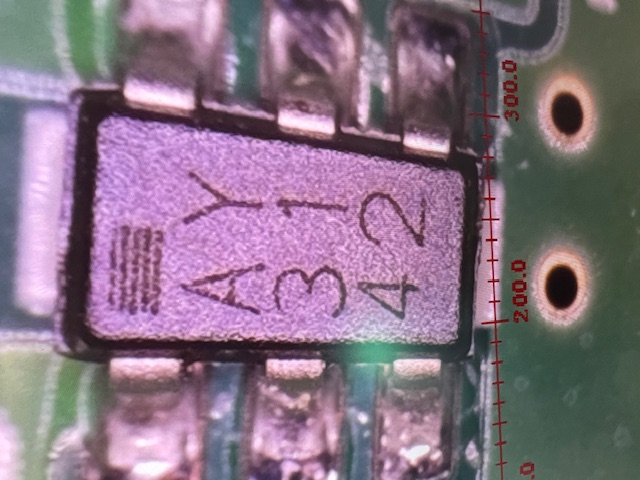
 IMG_5391.jpg
(120 KB)
IMG_5391.jpg
(120 KB)
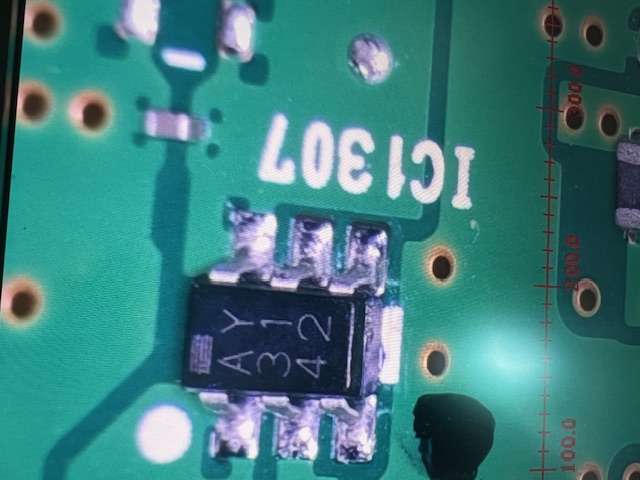
 IMG_5392.jpg
(170 KB)
IMG_5392.jpg
(170 KB)