Timmo H. schrieb:
> Pull-Up, steht ja so im Datenblatt.
> Bzw. kannst du ihn natürlich auch per I/O Pin ständig auf den Pegel
> halten (Push-Pull), dann brauchst du gar keinen Widerstand.


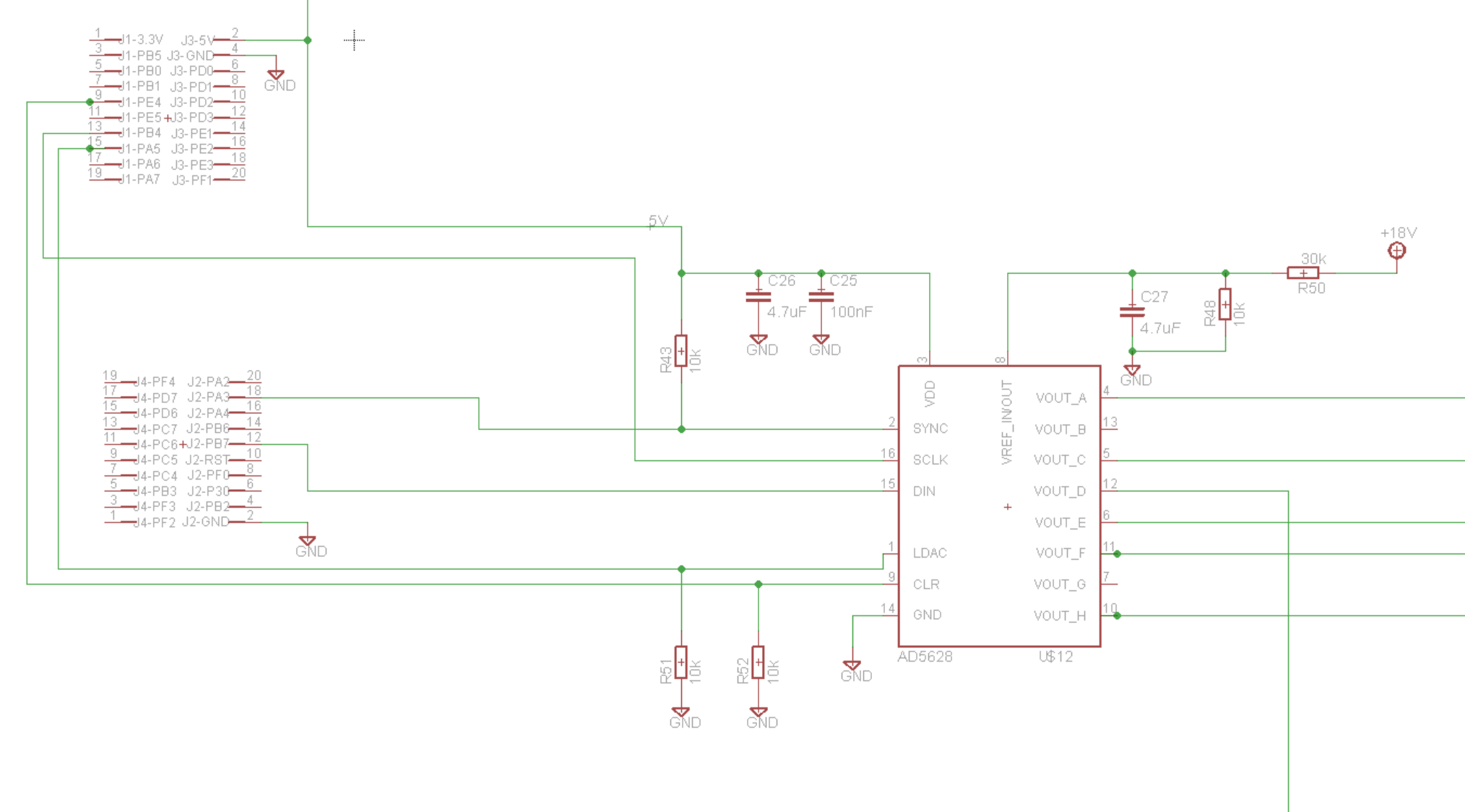
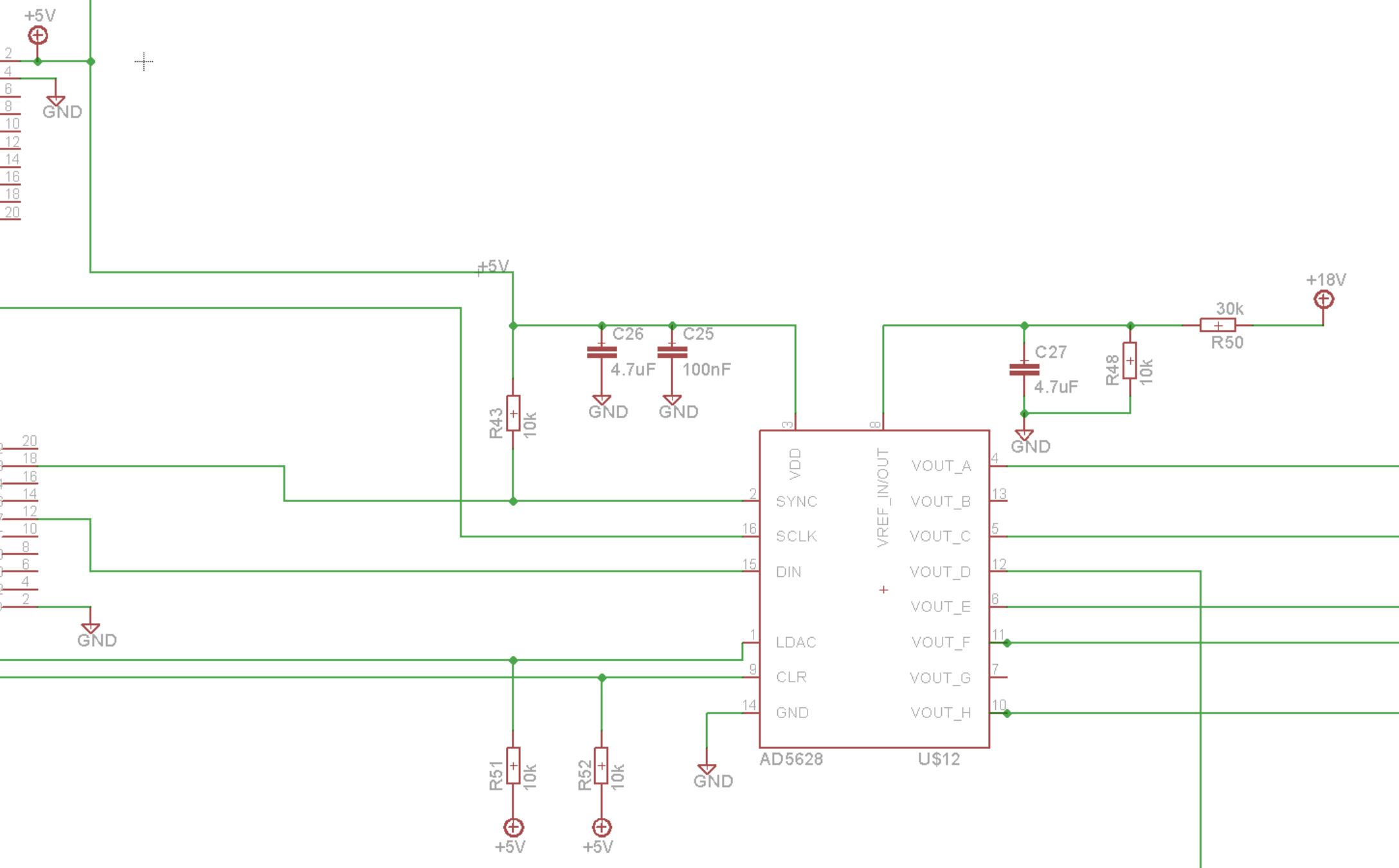
Ich bin ein wenig verwirrt jetzt:

>LDAC:

Pulsing this pin low allows any or all DAC registers to be updated if
the input registers have new data. This allows all DAC outputs to
simultaneously update. Alternatively, this pin can be tied permanently
>low.

Also als Pull Down beschalten, oder? Irgend ein Analogen I/O verwenden.

>SYNC:

Active Low Control Input. This is the frame synchronization signal for
the input data. When SYNC goes low, it powers on the SCLK and DIN
buffers and enables the input shift register. Data is transferred in on
the falling edges of the next 32 clocks. If SYNC is taken high before
the 32nd falling edge, the rising edge of SYNC acts as an interrupt and
the write sequence is ignored by the device.

Ist doch mein SPI CS (Chip Select) Also auch Pull up. Aus dem Grund das
ich dan per Mikrocontroller Low setzten kann um das Input Register zu
aktivieren.

>CLR:

Asynchronous Clear Input. The CLR input is falling edge sensitive. When
CLR is low, all LDAC pulses are ignored. When CLR is activated, the
input register and the DAC register are updated with the data contained
in the CLR code register—zero, midscale, or full scale. Default setting
clears the output to 0 V.

Also auch Pull down. Nur beim update setzte ich es dann mit dem
Mikrocontroller auf high, oder? Irgend ein Analogen I/O verwenden.

>DIN:

Serial Data Input. This device has a 32-bit shift register. Data is
clocked into the register on the falling edge of the serial clock input.

Ist ja mein MOSI. Den geben ich direkt auf meinen Port ohne Pull up oder
down.

>SCLK:

SPI Clock, auch direkt auf den Port.


Stimmt das so? Habe ich das so richtig verstanden?